Cultural and countryside tours near Punta Cana
Are cultural and countryside tours from Punta Cana worth it?
Yes for a half-day break from the beach: cacao and coffee farms, sugar cane fields and a staged Dominican village sit 20-45 minutes from most Bavaro and Cap Cana hotels. Treat them as a curated, touristic version of rural life rather than a genuine village visit.
What a cultural countryside tour near Punta Cana actually is
If you are staying in Bavaro or Cap Cana and want a few hours away from the sand without committing to a full day on the road, this is the category built for that. Cultural and countryside tours combine a cacao or coffee farm stop, a look at sugar cane fields, a mock or semi-staged Dominican village, and usually a folk music or dance performance, all within roughly an hour’s drive of the main resort strip. Operators sell these under names like “cultural safari,” “countryside tour” or “cultural experience,” and they overlap enough that reading the stop list before booking matters more than the title.
This page covers that specific slice: farms, crops, villages, tastings and folk shows. It does not cover horseback riding through the same farmland (that has its own comparison-heavy category), off-road buggy driving through backcountry trails (a separate product concentrated around Miches and Montana Redonda), or the Higuey basilica, which is a religious and historical excursion on its own in the Uvero Alto-Higuey area even though it shares a rural feel.
What to expect stop by stop
Most itineraries follow a similar shape, even when the marketing names differ:
| Typical stop | What happens |
|---|---|
| Hotel pickup | Shared minibus, 20-45 minutes depending on your hotel’s location in Bavaro or Cap Cana |
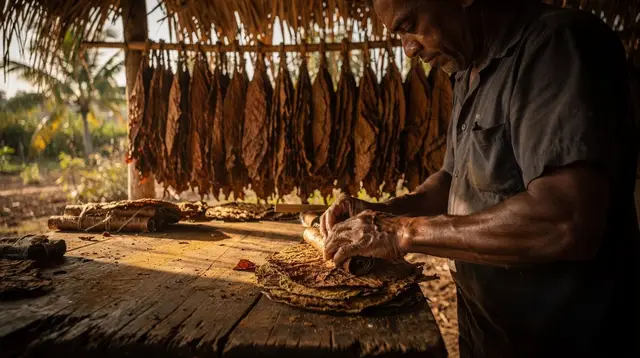
| Cacao or coffee farm | Short walk through the plantation, explanation of harvesting and drying, hands-on grinding demo |
| Tasting | Hot chocolate, coffee, coffee liqueur or mamajuana, sometimes paired with local fruit |
| Sugar cane field | Cane-cutting demonstration, sometimes a taste of raw cane juice |
| Village or “typical house” stop | A recreated or lightly staged rural Dominican house, craft stalls, souvenir shop |
| Folk show | Merengue or bachata performance, occasionally with audience participation |
| Return | Drop-off back at your hotel |
Lunch is included on some itineraries and not on others, so check the listing before you book rather than assuming.
a half-day cultural safari that combines a farm stop, sugar cane demonstration and folk show is the most common entry point into this category, and it is the one to compare other listings against.
How long it really takes
This is the honest selling point of the category: it is short. Most cultural countryside tours run 4 to 6 hours door to door, including pickup and drop-off, which makes them a realistic half-day activity rather than something that eats your whole vacation day. That is a genuine contrast with a Santo Domingo day trip, which needs 2.5 to 3 hours of driving each way, or Altos de Chavon, which usually fills most of a day once you factor in the drive to La Romana. If you only have one free morning or afternoon and want to leave the resort, this category is built for exactly that window.
For travelers who want a private pace instead of a shared bus schedule, a private countryside tour that lets you set the stops and timing yourself is worth the extra cost, particularly with young kids or a short attention span for group waiting times.
Authenticity, honestly assessed
Be clear-eyed about what you are booking. Cacao trees, coffee shrubs and sugar cane in this area are real crops, and the farms exist independently of tourism. But the stop you visit as part of an organized tour is set up for groups: a fixed walking loop, a timed tasting, a gift shop at the exit, and a folk performance scheduled to the minute so the next bus can arrive. That is not a criticism, just a expectation to set before you go. If you want a slower, less staged version of the same theme, a dedicated visit built around one farm and a smaller group, such as a small-scale coffee and countryside experience, tends to feel less rehearsed than a multi-stop bus tour, though it is also more limited in what it covers.
None of this makes the tours bad value. For a first exposure to Dominican cacao, coffee and rum production, plus a folk show you would otherwise have to seek out separately, a half-day countryside tour delivers a reasonable amount for a reasonable price and a short time commitment. Just do not expect an unscripted village visit or a deep dive into rural Dominican life.
Where this fits against similar-sounding tours
The naming in this category is genuinely confusing, so here is where the boundaries sit:
- Horseback riding tours cross similar farmland and sometimes stop at the same cacao or coffee spots, but they are booked, priced and run as riding activities. If the horse is the point, look at the horseback riding category, not this one. See Punta Cana horseback riding.
- Off-road buggy and ATV tours through open countryside are a different regional product, concentrated further from Bavaro around Miches and the Montana Redonda viewpoint. If mud and driving is what you want, Miches buggy and ATV tours is the closer match, even though both categories use the word “countryside.”
- The Higuey basilica is a standalone religious and historical stop, sold and scheduled separately in the Uvero Alto-Higuey secto. It shares a rural, non-beach feel with these tours but is a different itinerary; see Higuey cultural and countryside tours and Higuey day trip from Punta Cana if the basilica is your goal.
- Full-day excursions to Santo Domingo’s colonial zone or to Altos de Chavon are built around history and architecture, not farms, and need multiple hours of driving each way that a half-day countryside tour deliberately avoids.
If you want one tour that tries to bundle several of these themes together rather than picking just farms and folklore, a cultural tour built around coffee tasting, cacao and a countryside lunch leans further into the food and tasting side, which is worth checking if eating well matters more to you than the folk show.
Food, drink and what you will actually taste
The tastings on these tours are one of the more reliably good parts of the experience. Expect hot chocolate made from freshly roasted cacao, brewed coffee grown on site, and in most cases a sample of mamajuana, the Dominican spiced rum infusion. None of this is a substitute for a proper meal, so if lunch is not included on your chosen itinerary, plan to eat before or after. For more on what mamajuana actually is and how it is made, see mamajuana, rum and cigars explained, and for the wider food picture beyond the tour circuit, the Dominican food guide covers what to eat outside these organized stops. A deeper look at how cacao and coffee are actually grown and processed, beyond the tour-stop version, is in cacao and coffee farm tours.
Shopping stops
Most tours end at or near a gift shop selling local rum, coffee, chocolate, and jewelry made with larimar, the pale blue stone found only in the Dominican Republic. Prices here run higher than in town, and quality varies. If you are interested in buying larimar or amber, it is worth reading larimar and amber, what to buy before your tour so you can judge whether the shop’s prices and authenticity claims hold up.
Booking notes and practical tips
Prices for this category vary by operator, group size and whether transport and lunch are included, so treat any number here as a rough guide rather than a fixed rate: check the current listing on GetYourGuide or Viator for the exact price on your dates.
- Wear closed shoes for the farm walk; sandals are fine for the rest of the day.
- Bring cash in pesos or small US dollar bills if you want to tip the folk performers or buy from the gift shop, since card machines are not always available at every stop.
- If your hotel is in Uvero Alto rather than Bavaro or Cap Cana, expect a longer pickup time before the tour itself even starts, since Uvero Alto sits further from the main tourist corridor.
- Ask specifically whether lunch is included before comparing prices between two similar-sounding listings; this is the single biggest value difference between otherwise comparable tours.
- If you would rather design your own route through farms, villages and a folk show without a fixed group schedule, a version built around coffee tasting and a countryside lunch stop or the earlier-mentioned private countryside option both give more control than a standard shared bus tour.
For a broader sense of how this category fits into the rest of the destination’s activity mix, browse things to do: cultural and countryside tours, or see how a half-day countryside stop slots into a short stay in three days in Punta Cana. If music is what draws you to the folk show portion, merengue and bachata, where to dance covers the wider dance scene beyond the tour circuit, and Dominican countryside safari, what you actually see breaks down the closely related “safari” branding some operators use for the same kind of itinerary.
Best time of year for a countryside tour
Punta Cana runs warm year-round, typically 26-31°C, so there is no month where a countryside tour is uncomfortably cold. The bigger factor is rain and crowds. December through April is the drier, less humid stretch and the busiest tourist season, which means fuller shared buses and earlier sell-outs on popular listings. May through November is wetter, and June through November is hurricane season, with the highest storm risk from August to October; a sudden downpour can shorten or reschedule an outdoor farm stop, so build in a spare morning if you are visiting during those months. See when to visit Punta Cana and hurricane season in Punta Cana for the full picture.
One advantage of this category: it does not touch the beach at all, so it is unaffected by the sargassum seaweed that can pile up on the east coast shoreline, mostly between April and October in years when it arrives. If your beach days are compromised by seaweed, a farm-and-village tour is a reasonable way to fill the gap without changing your plans around the coastline. It also works well on an overcast or drizzly morning that would otherwise waste a beach day; see rainy day Punta Cana for other options in the same category, and sargassum season in Punta Cana for when the seaweed is most likely to show up. For a shorter, tighter half-day version that still fits around a rainy morning, a half-day safari and cultural experience keeps the outdoor exposure to a minimum.
Money, tipping and what things cost on the road
The Dominican Republic uses the peso (DOP, written RD$), not the euro, though US dollars are widely accepted at tour stops, gift shops and by guides; change is usually handed back in pesos, so carrying a mix of small bills in both currencies is the practical approach. If lunch is included on your itinerary and it is served at a sit-down restaurant rather than a farm stop, the bill will typically already fold in the standard 18% ITBIS tax and 10% service charge that Dominican restaurants add, so a further large tip is not expected on top, though rounding up for a guide or driver in cash is normal and appreciated.
Gift shop prices at the end of a tour run higher than what you would pay in a local market or town, which is worth keeping in mind before buying rum, coffee or chocolate on the spot. For the fuller breakdown of tipping norms and when cash beats card, see money, tipping and taxes in Punta Cana and pesos or dollars in Punta Cana.
Who a countryside tour suits, and who should skip it
This category tends to work best for travelers who want a short, easy half-day out of the resort without renting a car or committing to a long day trip: couples looking for a change of scenery, and families with kids old enough to sit through a farm walk and a folk show, generally find the pace manageable. See Punta Cana for couples and honeymoons and Punta Cana with kids for how it fits alongside other activities for those trip types.
Budget-focused travelers can also treat it as one of the cheaper ways to leave the resort for a few hours, since group countryside tours are generally priced below full-day excursions like Santo Domingo or Altos de Chavon; Punta Cana on a budget has more on stretching an excursion budget across a trip. Travelers who have already done a similar farm-and-folklore stop elsewhere, or who specifically want wildlife, diving or a beach-based excursion instead, are better served by a different category entirely.
Cultural and countryside tours near Punta Cana: your questions answered
How long does a cultural countryside tour from Punta Cana take?
Most run 4 to 6 hours including hotel pickup, which is why operators sell them as half-day trips. That is shorter than Altos de Chavon or Santo Domingo, which need most of a day.
Is this the same as a horseback riding tour?
No. Horseback tours often cross similar farmland but are booked and run as a separate activity focused on the ride itself, not on farm stops or tastings.
Is this the same as an off-road buggy tour?
No. Buggy and ATV tours in this area are marketed around the ride and mud, and the countryside-focused buggy routes toward Miches and Montana Redonda are a different regional product from a cultural farm visit near Bavaro.
Does a countryside tour include the Higuey basilica?
No. The Basilica of Nuestra Senora de la Altagracia in Higuey is sold as its own day trip from the Uvero Alto-Higuey area, separate from the cacao and farm-focused tours near Punta Cana and Bavaro.
What will I actually see on a cacao or coffee farm stop?
A short walkthrough of cacao pods, coffee shrubs and sugar cane, a demonstration of how beans are dried and roasted, and a tasting of chocolate, coffee, coffee liqueur or mamajuana, usually followed by a folk dance or music performance.
Is it real rural life or a show for tourists?
Both, honestly. The farms and crops are real, but the stops are set up and paced for groups of visitors, with a gift shop and a scheduled performance. It is a good sample of Dominican agriculture and food, not an unscripted village visit.
Do I need a passport or ID for this tour?
Bring a photo ID or a copy of your passport, since operators sometimes check it at hotel pickup, but no border crossing or extra paperwork is involved for a countryside tour inside the tourist zone.
Should I book a group tour or a private countryside tour?
A group tour is cheaper and runs on a fixed schedule with several stops. A private tour costs more but lets you skip stops you are not interested in and set your own pace.
Countryside and cultural tours from Punta Cana on GetYourGuide
Verified deep-linked GetYourGuide tours. Book through these links and we earn a small commission at no cost to you.
GetYourGuide does not provide a product photo for this activity — the image shows the meeting point, photographed by us.