Dominican countryside safari: what you actually see
What does a Dominican countryside safari actually show you?
A buggy or truck tour on rural roads near Bavaro, Cap Cana or Uvero Alto, with stops at a working farm, a rural hamlet and usually a river or waterhole swim. Expect dust, unpaved roads and modest, working stops rather than a polished set — the cacao and coffee tasting shown in marketing photos is a separate, slower excursion. Exact stops and timing vary by operator and departure hotel.
What a countryside safari actually is
“Countryside safari,” “cultural safari” and “off-road adventure” are marketing names for the same basic format: a group ride, usually by open buggy or a converted truck, out of the resort zone and into the rural interior behind Bavaro, Cap Cana or Uvero Alto. The route is not a wilderness reserve — it runs on unpaved farm roads, past sugarcane fields, small plantations and rural houses, with a handful of stops built in along the way. It is closer to a working-countryside drive-through than a nature safari in the African sense the word usually implies.
A typical route strings together three kinds of stops: a small agricultural property (sometimes billed as a “farm” or “plantation”), a rural hamlet where the group might see a school, a colmado (small local shop) or a game of dominoes in progress, and a water stop at a river or natural pool for a swim. Some itineraries add a horseback ride or a short zip-line section. None of this is staged theater — it is real rural Dominican life along a fixed route — but it is also a brief, curated pass-through, not an immersive stay.
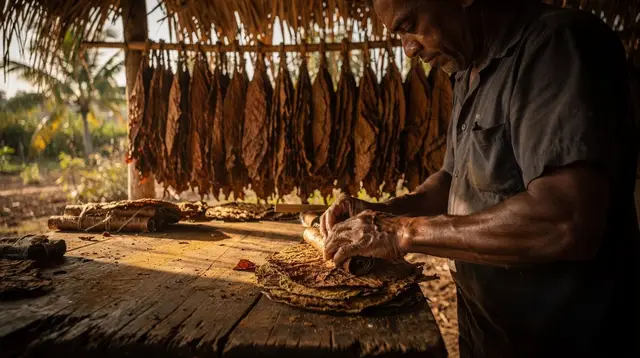
If your main interest is learning how cacao or coffee is actually grown, harvested and processed, with a proper tasting at the end, that experience exists as its own tour and is covered separately in our cacao and coffee farm tours guide. A countryside safari usually includes a shorter, faster version of a farm stop — a quick look and maybe a small pour — rather than the guided walk-through and tasting flight that a dedicated cacao and coffee tour builds its whole itinerary around. Book the safari for the ride and the mix of stops; book the cacao and coffee tour if tasting and process are the point.
Where these tours actually leave from
Almost every countryside safari departs from hotels in Bavaro, Cap Cana or Uvero Alto, since the rural roads used for the route sit inland from those hotel sectors. A smaller number of operators also pick up around Macao or closer to Higuey, which sits further inland and closer to some of the farm stops used on these routes.
Because Punta Cana’s tourist zone stretches over a wide area, published start times and drive lengths vary a lot by hotel. A hotel near the airport in Bavaro adds far less transfer time than one at the far end of Uvero Alto. Treat any duration quoted on a tour listing as time on the actual route, not the full time away from your room — add pickup and return driving on top, and check your own hotel’s transfer estimate on the operator’s page before booking a tight schedule around it.
Buggy, off-road vehicle or open truck: it changes the day
Not every countryside safari uses the same vehicle, and the choice changes both the experience and who it suits.
| Format | Who’s driving | Typical feel | Best for |
|---|---|---|---|
| Buggy (often shared, two per seat) | You, with a guide leading the group | Bumpier, dustier, more active | Travelers who want to drive and don’t mind getting dirty |
| Off-road / Polaris-style vehicle | You or a shared driver, depending on tour | Similar to buggy, sometimes sturdier on rough sections | Groups wanting a slightly more stable ride than a classic buggy |
| Open-sided truck | A driver; you ride as a passenger | Smoother, more social, easier to keep cameras dry | Families, older travelers, anyone who’d rather not drive |
If you’re deciding between formats in general, our buggy vs. ATV vs. Polaris comparison goes into more detail on the trade-offs. For a broader look at what buggy tours cover outside the countryside-safari format specifically, see our Punta Cana buggy and ATV tours guide.
What the marketing photos leave out
Promotional photos for these tours tend to show clean buggies, spotless plantation shots and a turquoise swim stop lit at golden hour. The actual day involves more dust than the photos suggest on dry-season days, and more mud on wet-season ones — this is not a criticism of any one operator, it’s the nature of unpaved rural roads for most of the year. Bring clothes you don’t mind getting dirty, and expect a rinse-off swim stop rather than a resort-pool-clean one.
The farm stop is usually brief — long enough for a short walk, a look at a few crops or animals, and sometimes a small tasting of rum, coffee or fresh juice, but not a full guided agricultural tour. The rural hamlet stop is similarly short: a look at daily life along the road, not a scheduled cultural performance. None of this is a complaint about the tours — it’s simply a faster, lighter format than a dedicated cultural or agricultural tour, and it’s worth knowing that going in so the pace doesn’t feel rushed once you’re there.
Swim stops also vary by season and by route. A river or waterhole that looks glassy in a listing photo can run lower, higher or murkier depending on recent rain, and that’s outside any operator’s control. If a clear swim stop is the main reason you’re booking, ask the operator or check recent reviews on the platform for current conditions before locking in a date.
What’s typically included versus what costs extra
Inclusions differ by operator and by the specific tour, so the table below is a general pattern, not a guarantee for any one listing.
| Usually included | Usually optional or extra |
|---|---|
| Hotel pickup and return | Souvenirs bought at farm or hamlet stops |
| Vehicle or shared seat for the route | Photos or video taken by tour staff |
| Guide for the group | Additional drinks beyond the included tasting |
| Farm and hamlet stops | Extended horseback add-ons on some tours |
| Swim stop where the route has one | Gratuities for the driver or guide |
| Small tasting (rum, coffee or juice) on many routes | Full cacao and coffee tasting flight |
Always check the specific inclusions list on the booking page for the tour you’re considering rather than assuming this table applies exactly — operators change their inclusions from season to season, and prices are quoted in USD or DOP depending on the source, so treat any number here as a general range and confirm the current price and inclusions directly on the listing.
Booking the countryside safari
a private version of the countryside safari, with your own vehicle and guide instead of joining a shared group is worth the extra cost for travelers who want to set their own pace at each stop or are traveling with very young children. For groups happy to join others, a shared cultural safari departing from Punta Cana hotels covers the same mix of farm, hamlet and swim stops at a lower price point. Travelers who specifically want to drive rather than ride can look at an off-road buggy adventure focused on the driving itself, which spends more of the day on the road and less time at each stop.
If tastings matter more to you than driving, a tour built specifically around stops with tastings included is a better match than a straight off-road route — check the listing details for how many tasting stops are built in before booking, since this varies by operator and season.
Countryside safari versus other cultural excursions
The countryside safari sits in the middle of a spread of excursion styles that all touch on rural or cultural Dominican life, and it’s worth knowing where it fits before booking.
A horseback riding excursion, covered in our Punta Cana horseback riding guide, moves much more slowly and covers far less ground, but gives more time on the animal itself and less time seeing varied stops. A dedicated cultural and countryside tour built around Higuey — see our Higuey cultural countryside tours guide — tends to spend more time in and around the town itself, including the basilica, rather than on farm and hamlet stops along a rural driving route. If you want food and drink as the focus rather than a driving tour, our Dominican food guide and our guide to mamajuana, rum and cigars cover tastings and specifics that a countryside safari only touches briefly.
For travelers weighing a group tour against paying more for a private one on any excursion, not just this one, our guide to private tours versus group excursions lays out the general trade-offs. And if you’re still deciding whether to book through your hotel’s tour desk or directly online, that comparison applies here as much as to any other excursion.
Practical notes before you book
Wear clothes and shoes you’re fine getting dusty, muddy or wet, and pack a change for the ride back if the tour includes a swim stop — most vehicles don’t have anywhere private to change. Bring a small amount of cash in USD or DOP for optional purchases at farm or hamlet stops, since card payment usually isn’t available at those points. Sunscreen and a hat matter more on an open buggy or truck than in an air-conditioned vehicle, and a dry bag or waterproof phone pouch is worth packing if a swim stop is on your route.
If you’re arriving from the airport and this is one of your first bookings, our first-time visitors guide and our guide from PUJ airport to your hotel are useful starting points for timing this excursion against your arrival day. For a wider view of what else fills a Punta Cana itinerary beyond countryside excursions, see our roundup of the best day trips from Punta Cana, and for common first-booking errors across all excursion types, our travel mistakes to avoid guide is worth a read before you commit to a date.
Families weighing whether this fits younger travelers can also check our Punta Cana with kids guide for age-appropriate excursion notes, and honest traveler accounts of the bumpier side of buggy touring are collected in our piece on whether buggy tours are worth the mud. For the full spread of cultural and countryside options by category, our cultural and countryside tours hub lists every option currently bookable.
Dominican countryside safari: frequently asked questions
What’s the difference between a countryside safari and a cacao and coffee farm tour?
The countryside safari is a faster-moving, multi-stop ride: a farm stop, a rural hamlet, sometimes a river or waterhole swim, all covered in a few hours by buggy or open truck. A dedicated cacao and coffee tour is slower and narrower — one property, a guided walk through the crop, a tasting session, less driving and no swim stop. If tasting and learning the process is the priority, book the cacao and coffee tour instead.
Where do countryside safari tours depart from?
Most operators pick up from hotels in Bavaro, Cap Cana or Uvero Alto, since the rural roads used for these tours sit inland from those sectors. A handful of tours also serve Macao and Higuey-area hotels. Exact pickup times and drive length to the starting point depend on your hotel and the operator, so check the tour listing for your address.
Do I drive the buggy myself?
On buggy and off-road tours, yes — you typically drive with a guide leading the group, sometimes two people per buggy. Truck-based safaris put you in an open-sided vehicle with a driver instead, which suits travelers who would rather not handle a vehicle on dirt roads. Check the specific tour description, since the two formats are not interchangeable.
What’s actually included, and what costs extra?
Included is usually hotel pickup and return, the vehicle or seat, a guide, the farm and hamlet stops, and a swim stop where the route has one. Rum or juice tastings at a farm stop are commonly included in small pours; extras like souvenirs, additional drinks, or photos taken by tour staff are typically optional add-ons. Read the inclusions list on the booking page before assuming a specific item is covered.
Will I get dirty or wet?
Yes, by design. Buggy and off-road routes raise dust on dry days and mud after rain, and most itineraries include a swim stop at a river, waterhole or similar spot, so swimwear under your clothes is worth wearing. This is not a tour for anyone who wants to stay clean or keep electronics fully dry all day.
Is the countryside safari suitable for kids or older travelers?
It depends on the format and the operator’s age and health rules — bouncy, dusty roads and a river stop are more demanding than a resort activity, and some buggy tours set a minimum age or require an adult per child. Truck-based safaris are generally gentler than driving a buggy yourself. Check the specific listing’s requirements before booking for young children or anyone with mobility or back concerns.
How long does the tour take, including hotel pickup?
Most countryside safaris run as a half-day, but the total time away from your hotel depends on pickup order and how far your hotel sits from the rural route — Uvero Alto hotels generally add more drive time than Bavaro or Cap Cana. Treat any published duration as the on-route time, not the full door-to-door window, and confirm the estimate on the tour page for your dates.
Is the “farm” on the tour a real working farm?
Usually yes, in the sense that it is an actual small agricultural property rather than a staged set, but it is set up to receive tour groups and is not a formal agricultural museum. Expect a modest, working space — animals, some crops, a covered area for a snack or tasting — rather than a manicured attraction. It is a brief stop within a longer route, not the main event.
Countryside and cultural tours from Punta Cana on GetYourGuide
Verified deep-linked GetYourGuide tours. Book through these links and we earn a small commission at no cost to you.
GetYourGuide does not provide a product photo for this activity — the image shows the meeting point, photographed by us.