Dolphins and wildlife encounters in Punta Cana
Can you see dolphins or whales in Punta Cana?
Punta Cana has captive dolphin programs at a marine park in the Bavaro area, plus land-based wildlife at the Indigenous Eyes ecological reserve inside Puntacana Resort. Humpback whales are not part of this picture at all — they only appear in Samana Bay, roughly mid-January to late March.
What wildlife you can actually see around Punta Cana
Punta Cana is not a wildlife-watching destination in the way Samana or Los Haitises are. What it offers is narrower and worth being clear-eyed about before you book anything: dolphin programs run inside marine park facilities in the Bavaro area, and a genuine patch of native forest and wetland at Indigenous Eyes, inside Puntacana Resort. Neither involves open-water marine mammal watching, and neither is a substitute for the one wildlife encounter this coast is actually known for elsewhere: humpback whales, which show up only in Samana Bay, far to the north, and only for a few weeks a year.
If you arrived at this page hoping to combine a Punta Cana stay with whale watching, read the section below before booking anything. If you’re after dolphins, a countryside safari, or a walk through native forest without leaving the resort corridor, this page covers what’s realistically on offer, what it costs in ballpark terms, and what a fair review would flag before you commit a day of your trip.
This guide stays focused on animal encounters and the Indigenous Eyes reserve. For catamarans, snorkeling, and other ocean activities, see Punta Cana water sports; for buggy tours through the countryside, see Punta Cana buggy and ATV tours; for rum, cigars, and food, see Punta Cana food, rum and cigars; and for zip-lines and adventure parks, see Punta Cana zip-lines and adventure parks.
Dolphin programs: what’s actually being sold
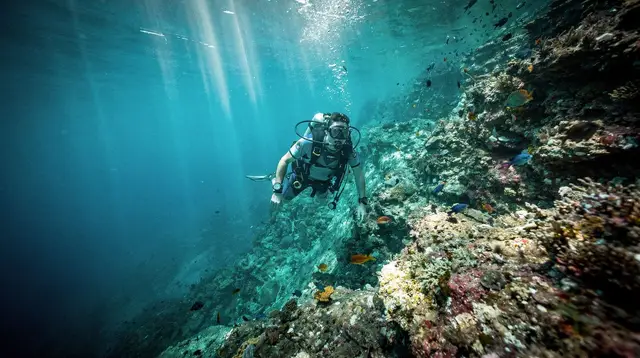
The dolphin experiences booked out of Punta Cana are run at a marine park in the Bavaro sector, not on the open ocean. Programs typically range from a shorter interaction — touching, feeding, a handshake or kiss with a trainer present — up to a full swim session where you’re towed through the water holding a dolphin’s fin. A standard dolphin encounter program covers the entry-level version of this, while a deeper swim-and-interaction package adds more time in the water and a longer session with the animals. There’s also a program built around active play and signals, aimed at travelers who want more than a photo-op but less than a full swim session.
A few honest points worth knowing before booking:
- These are captive animals in marine enclosures, not wild dolphins encountered in open water. If the ethics of captive dolphin programs matter to you, it’s worth researching the specific park’s practices before you pay, since this is a genuinely debated topic among travelers and animal welfare groups.
- There is no reliable wild dolphin-watching tour out of Punta Cana. Occasional sightings happen from catamarans or fishing boats, but no operator sells a dedicated wild-dolphin excursion here the way some destinations do.
- Transfers to the marine park are usually included in the tour price, picking up from most Bavaro and Cap Cana hotels; confirm your specific hotel is on the pickup list when booking, since some Uvero Alto properties fall outside the standard pickup zone given the longer drive north.
- Photos and videos are typically extra, sold as a package at the park itself rather than included in the tour price — factor that into your budget if you want to bring images home.
| Program type | What’s included | Typical duration |
|---|---|---|
| Standard dolphin experience | Shallow-water interaction, handshake/kiss, some play | 20-30 minutes with the animals |
| Royal swim | Deep-water swim, dorsal fin tow, longer session | 30-45 minutes with the animals |
| Action program | Active signals, play behaviors, less swim time | 20-30 minutes with the animals |
Exact pricing depends on program length and season; check the current rate and available time slots on the GetYourGuide or Viator listing before booking, since marine park programs fill their daily slots faster than most other Punta Cana excursions, particularly December through April.
Indigenous Eyes: the quiet alternative
Inside Puntacana Resort, away from the marine park circuit, Indigenous Eyes ecological reserve is a stretch of native subtropical forest built around a series of freshwater lagoons. Walking trails wind between the lagoons, and the reserve is home to native birds, iguanas, and hutias (a native rodent most visitors have never heard of before arriving). Some lagoons allow swimming; check current rules on-site, as this can change with water conditions.
This is a low-key half-day activity, not a wildlife spectacle. It suits travelers who want a genuine patch of Dominican forest without a long transfer, and it pairs reasonably with a morning at the beach or a round of golf nearby, since it sits inside the same resort footprint as several Punta Cana golf courses. It is not a substitute for the countryside and farm-animal encounters offered on a broader eco safari.
Eco safari and countryside wildlife
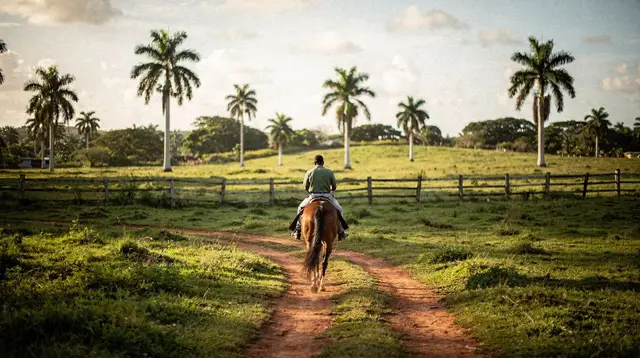
For a broader look at Dominican countryside life and small-scale farm animals — as opposed to the marine park or the forest reserve — a private countryside and wildlife tour by open-air vehicle covers stops at local farms, small settlements, and rural landscapes inland from the resort corridor. This overlaps somewhat with Punta Cana cultural and countryside tours, so if you’ve already booked one of those, an eco safari may feel repetitive rather than complementary — read both tour descriptions closely before booking both.
Expect dust, uneven roads, and genuinely rural stops rather than curated wildlife photography opportunities. It’s a private tour, so pricing runs higher per person than a shared group excursion, but you set the pace and stops. As with every tour on this page, treat any advertised itinerary as a guideline; confirm the current stops and duration on the booking page.
Where whales actually fit in — and where they don’t
This is the point worth repeating clearly: humpback whales are not part of the Punta Cana wildlife picture at all. They gather in Samana Bay, on the Dominican Republic’s north coast, roughly from mid-January to late March, drawn there to breed and calve in the bay’s sheltered waters. Outside that window, whale-watching boats in Samana don’t run trips, because there’s nothing reliably out there to see.
Getting to Samana from a Punta Cana hotel is a full-day undertaking on its own — it is not a quick add-on to a dolphin or eco safari day. If you’re visiting during whale season and want to combine it with your Punta Cana stay, see whale watching from Punta Cana: day trip or overnight for how that logistics question actually plays out, and Samana whale-watching tours for what the excursion itself involves once you’re there. No operator selling activities in Bavaro, Cap Cana, or Uvero Alto can put you in front of a humpback whale without that trip north — be skeptical of any listing that implies otherwise.
Booking notes and honest caveats
A few things worth flagging before you commit a day to any of these:
- Marine park programs run on a fixed daily schedule with limited spots per session; high-season dates (December-April) can sell out days in advance, so book ahead rather than relying on a resort tour desk the morning of.
- Weather can affect outdoor portions of eco safari tours more than dolphin programs, since the marine park sessions run mostly under cover or in purpose-built pools.
- Photo packages, wetsuit rental, and locker fees are common add-ons at marine parks that aren’t always itemized upfront — read the fine print on what’s included versus optional.
- None of these activities involve whales. If a tour description mentions whales anywhere near Punta Cana outside the Samana context, treat that as a red flag and verify with the operator directly.
- Prices quoted here are ranges, not fixed rates. Marine park and safari pricing shifts with season and group size; always confirm the current price and available times on the GetYourGuide or Viator page before paying.
Weather, seasons, and when to book
Punta Cana runs warm year-round, typically 26-31°C, so neither the dolphin programs nor Indigenous Eyes has a true off-season the way beach conditions or whale watching do. A few seasonal factors are still worth weighing before you pick your dates:
- Sargassum season (roughly April to October) affects the beaches on the east coast, not the marine park pools or the freshwater lagoons at Indigenous Eyes. If seaweed is piling up on the sand during your stay, see sargassum season in Punta Cana for what it means for your trip generally — it won’t change your dolphin or eco safari plans either way.
- Hurricane season runs June through November, with the highest risk from August to October. Most days in this window are unaffected, but a storm system in the forecast can pause outdoor portions of any tour, including eco safaris; see hurricane season in Punta Cana for how operators typically handle rescheduling.
- High season (December to April) is when marine park slots fill fastest, since it overlaps with the busiest resort occupancy of the year. Booking a dolphin program a week or more ahead matters more in these months than in the quieter shoulder season.
- Rain showers are typically brief even in the wetter months (May to November), and marine park sessions run mostly under cover, so a passing shower rarely cancels a booked slot outright.
For packing purposes, what to pack for Punta Cana covers the basics — reef-safe sunscreen, a swimsuit, and a dry bag for phones are the essentials specific to a dolphin program or a lagoon swim at Indigenous Eyes.
Getting there from your hotel
Transfer time is one of the biggest practical differences between these activities. The marine parks selling dolphin experiences sit in the Bavaro sector, so pickups from most Bavaro and Cap Cana hotels run relatively short; Uvero Alto properties sit further north and typically add extra transfer time each way, which is worth factoring into a half-day plan. Indigenous Eyes, by contrast, sits inside Puntacana Resort itself, so travelers staying in that resort area face close to no transfer at all, while those coming from Bavaro, Cap Cana, or Uvero Alto should budget normal cross-resort drive time.
If you’re arriving or departing during your stay and trying to fit a dolphin program or Indigenous Eyes around flight timing, from PUJ airport to your hotel covers typical drive times by sector — useful context since a tight arrival-day or departure-day schedule leaves little room for a marine park visit that runs three to four hours including transport.
Traveling with kids
Dolphin programs are a popular pick for families, since the shallower interaction-style sessions don’t require the swimming ability that a full Royal Swim does — check the specific program’s minimum age and any height or swimming requirement before booking, as these vary by package and can change without notice. Indigenous Eyes is generally the gentler option for younger children, since the trails are flat and short and there’s no water-safety briefing required to walk them, though some lagoons do allow swimming for families who want to combine the two. For broader guidance on which Punta Cana activities suit which ages, see Punta Cana with kids.
Planning your day
Most travelers pair a dolphin program or eco safari with a half-day rather than stacking two wildlife activities back to back — both involve transfer time to and from the Bavaro area, and a marine park visit alone typically fills three to four hours including transport. Indigenous Eyes, by contrast, sits inside Puntacana Resort and needs less transfer time, making it easier to combine with a beach morning or an afternoon flight.
For travelers building a longer stay around nature and animal encounters — including the north-coast whale season — see best time to visit Punta Cana for how these windows line up against hurricane season and sargassum patterns, and how many days in Punta Cana for fitting a Samana add-on into a broader itinerary. If you’re deciding where to stay before booking any of this, Punta Cana vs Bavaro vs Cap Cana vs Uvero Alto covers how sector choice affects transfer times to the marine park and to the airport alike, and things to do in Punta Cana rounds up the fuller activity list this page deliberately doesn’t repeat.
Dolphins and wildlife in Punta Cana: frequently asked questions
Can you see dolphins in the wild near Punta Cana?
Occasional sightings happen from boats, but there is no reliable wild dolphin-watching excursion out of Punta Cana. The dolphin experiences sold here are pool-based programs at a marine park, not open-water tours.
Are Punta Cana’s dolphins wild or captive?
The dolphin programs in the Bavaro area use dolphins living in marine enclosures. If that distinction matters to you, read up on the ethics before booking, since opinions on captive dolphin encounters vary widely among travelers.
Can I see whales in Punta Cana?
No. Humpback whales are only observed in Samana Bay, on the north coast, roughly from mid-January to late March. Punta Cana itself has no whale-watching season.
What is Indigenous Eyes and is it worth visiting?
Indigenous Eyes is an ecological reserve inside Puntacana Resort with freshwater lagoons, forest trails, and native birds and iguanas. It suits travelers who want a quiet nature walk without leaving the Punta Cana area, rather than a wildlife spectacle.
How much do dolphin experiences cost in Punta Cana?
Prices vary by program length and whether swimming or a full interaction is included, generally landing in the low-to-mid hundreds of USD per person. Check the GetYourGuide or Viator listing for the exact rate on your travel dates.
Do I need to book dolphin experiences in advance?
Yes. Marine park slots for dolphin programs are limited per day and fill up during high season (December to April), so booking a week or more ahead is safer than trying to book from your resort desk.
Is an eco safari tour the same as a dolphin experience?
No. A private eco safari or wildlife tour typically covers countryside stops, farm animals, and local landscapes by open vehicle, while a dolphin program is a separate, marine-park-based activity. They are bookable independently.
Does weather or sargassum season affect dolphin programs and Indigenous Eyes?
Not directly. Sargassum affects the coastline, not the marine park pools or the freshwater lagoons at Indigenous Eyes, so neither activity is disrupted by seaweed season. Heavy rain during a tropical downpour can pause outdoor portions of an eco safari, and hurricane season (June to November, with the highest risk August to October) can affect any outdoor activity if a storm system is actually approaching.
What should I bring to a dolphin program or Indigenous Eyes?
A swimsuit, reef-safe sunscreen, a change of clothes, and cash in pesos or US dollars for photo packages, tips, or park extras. Water shoes help on the forest trails at Indigenous Eyes, and a dry bag protects your phone during the marine park’s water portions.
Dolphin encounters and wildlife tours on GetYourGuide
Verified deep-linked GetYourGuide tours. Book through these links and we earn a small commission at no cost to you.
GetYourGuide does not provide a product photo for this activity — the image shows the meeting point, photographed by us.