What to pack for Punta Cana
What do you actually need to pack for Punta Cana?
Light rain gear if you travel May to November, a US-style plug adapter for 110-120V type A/B outlets, strong sun protection, and a refillable bottle or purifier since tap water is not safe to drink. Water shoes are worth packing if you plan a beach week between April and October, when sargassum sometimes reaches the east coast.
Start with the climate, not a generic checklist
Punta Cana runs tropical year-round, generally 26-31°C, so the base of any packing list is light, breathable clothing rather than layers. What changes the list is the calendar. December to April is the drier, less humid stretch and the busiest tourist season. May to November is wetter, and June to November overlaps with hurricane season, with the highest storm risk from August to October. None of this means you need heavy gear — it means a few specific items earn their space depending on when you land. This page is only about what to put in the suitcase. For decisions like the e-Ticket and tourist card or common planning mistakes, see Punta Cana travel mistakes to avoid.
Clothing: less than you think, but the right pieces
Most days in Punta Cana or Bavaro call for shorts, breathable t-shirts, swimwear and a couple of cover-ups. Cotton and linen blends handle the humidity better than synthetic fabrics that trap heat. A short list that covers a typical week:
| Item | Why it matters |
|---|---|
| 4-6 lightweight tops | Humidity means you will change more than once a day |
| 2-3 swimsuits | One dries while another is in use |
| 1 light long-sleeve shirt | Sun protection on boat trips, air-conditioned restaurants |
| 1 pair of long, breathable pants | Evenings out, or a cooler air-conditioned transfer |
| Light rain jacket or poncho | Useful May-November, especially June-November hurricane season |
| Cover-up or sarong | Walking from the beach to a restaurant or your room |
Evenings at most resorts stay casual, but a few beach clubs and restaurants in Cap Cana apply smart-casual dress codes, so one slightly dressier outfit is worth including if that is part of your plan.
Footwear: sandals, closed shoes, and water shoes for sargassum
Sandals or flip-flops cover most of the trip — walking the resort, the beach, casual dinners. Beyond that, two categories are worth thinking through separately.
Closed shoes matter for anything off the sand: a buggy or ATV tour, a hike near a waterfall, or a visit to Los Haitises National Park by boat. Wet trail sections and uneven ground make sneakers or hiking sandals more useful than flip-flops.
Water shoes are a judgment call tied to sargassum. Brown sargassum seaweed can wash up on east coast beaches, most often between April and October, though the amount varies noticeably from year to year and even week to week. When it accumulates, walking barefoot into the water becomes uncomfortable rather than dangerous, and water shoes solve that without changing your beach plans. If your trip falls outside that window, or you are staying somewhere with a beach-cleaning routine, they are optional. Nobody can guarantee sargassum-free sand for a given week, so this is about having a backup, not a certainty.
The plug adapter: this is not a Europe-style outlet
The Dominican Republic runs on 110-120V power with US-style type A/B outlets — flat, two- or three-pin plugs, the same standard as the United States and Canada. Travelers coming from Europe’s round two-pin sockets or the UK’s three-pin format need a plug adapter; without one, nothing in a hotel room charges. Most phone, camera and laptop chargers are dual-voltage and work fine with just an adapter, no separate converter, but check the label on higher-wattage devices like hair straighteners, which sometimes need a voltage converter rather than a simple adapter. A single universal travel adapter covers the outlet shape; bringing one small power strip is a practical way to charge several devices from one adapter in a room with limited outlets.
Water: tap water is not safe to drink
Tap water across Punta Cana, Bavaro, Uvero Alto and the rest of the east coast is not considered safe to drink, including for brushing teeth in a pinch it is fine, but not for filling a bottle to carry around. Bottled water is sold everywhere and included in most all-inclusive packages, but two items make travel days and excursions easier: a reusable bottle with a built-in filter, which lets you refill from any tap without buying plastic bottles constantly, or a simple collapsible bottle to carry the bottled water your resort provides. Either approach avoids relying on finding a shop mid-excursion, which matters more in less developed stretches like Miches or around Los Haitises.
Money to pack: cash, cards and small bills
The local currency is the Dominican peso (DOP, RD$), not the euro, though US dollars are widely accepted at hotel front desks, tour operators and most businesses built around the tourist zone. Pay in USD and the change usually comes back in pesos, so it helps to land with a small stash of low-denomination bills in either currency rather than only large notes.
Restaurant bills routinely add an 18% ITBIS tax plus a 10% service charge, often labeled “ley,” so a total that looks steep at first glance is normally already covering both — worth knowing before you decide how much extra to tip. A card handles most resort charges without issue, but pack enough small cash for tipping drivers, guides and porters, since card readers are not always available once you’re off hotel grounds, particularly on excursions into Higuey or more rural stretches. For the fuller breakdown, see money, tipping and taxes in Punta Cana and pesos or dollars in Punta Cana.
Documents: what actually gets checked
Beyond a photo of your passport on your phone, the paperwork that matters most is the free online e-Ticket, which is mandatory for both arrival and departure and needs to be completed before you travel rather than at the airport counter — the e-Ticket and entry rules covers what it involves. Travelers from the EU, UK, US, Canada and most of South America don’t need a separate tourist visa for a standard stay, and the 10 USD tourist card is already bundled into most air tickets, so there’s nothing extra to buy at immigration.
What still needs checking before you pack is passport validity: it has to cover your entire stay, not just the day you land, which catches out more travelers than any missing item on a packing list. Keep the physical passport, a saved or printed copy of your e-Ticket confirmation, and your travel insurance details somewhere you can reach without digging through checked luggage.
What to keep in your carry-on for arrival day
Punta Cana International Airport (PUJ) is the arrival point for nearly everyone staying around Punta Cana, Bavaro or Cap Cana, where transfers typically run 15-40 minutes; staying further north around Uvero Alto or Higuey usually means 40-60 minutes instead. Travelers headed to Boca Chica or Santo Domingo fly into the separate Las Americas airport (SDQ) rather than PUJ, so double-check which one your ticket actually lands at.
Whichever airport applies, keep a change of clothes, swimwear, sun protection and any daily medication in your carry-on rather than checked luggage, in case an excursion or a resort pool ends up on the agenda before your suitcase catches up with you — see airport transfers and from PUJ airport to your hotel for what the ride itself looks like. The Dominican Republic runs on Atlantic Time (UTC-4) year-round with no seasonal clock change, so there is nothing to adjust for once you land, and it’s worth saving the local emergency number, 911, somewhere on your phone before you do.
Packing differences across the five regions
Most travelers only ever see the resort strip in Punta Cana, Bavaro and Cap Cana, where a bag built around swimwear, sandals and a light rain shell covers nearly everything. Head further afield and the list shifts a little. Boat days around La Romana and Bayahibe — Saona, Catalina, Bayahibe itself — call for the same water shoes and dry bag as any water sports outing; add motion-sickness tablets if you’re prone to it on a longer crossing. Excursions into Samana or Miches run more humid and less developed, so insect repellent and closed shoes earn their space, especially around the mangroves of Los Haitises. A day trip to Santo Domingo is the odd one out: comfortable walking shoes and a light layer matter more than beachwear, since most of the day is spent on foot in the colonial zone rather than on sand.
Sun protection: the tropical sun is stronger than it looks
Even with cloud cover, UV exposure this close to the equator is intense, and a week of excursions on boats, buggies or beaches adds up fast. A practical sun kit:
- High-SPF sunscreen (SPF 30 minimum, SPF 50 for fair skin), ideally reef-conscious for snorkeling trips around Catalina Island or Saona Island
- A wide-brim hat or cap
- UV-blocking sunglasses
- Aloe vera gel or after-sun lotion as backup
Pack sunscreen in checked luggage in full-size bottles if you are bringing enough for a week, since carry-on liquid limits make it awkward to bring a proper supply on the plane.
Small items that solve real problems
A short list of things travelers regularly wish they had packed:
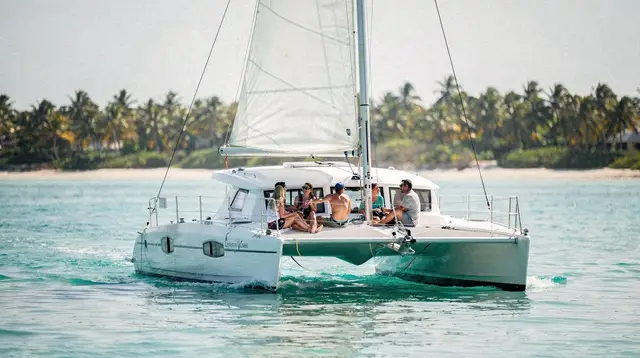
- Dry bag or waterproof phone pouch — useful on catamaran trips, jet ski outings or any water sports excursion where spray or splashes are a given
- Basic first aid kit — upset stomach remedies, insect bite cream, blister plasters, pain relievers; pharmacies exist but are not always nearby, especially around Higuey or Samana
- Insect repellent — more relevant near mangroves and inland excursions than directly on the beachfront
- A light day backpack — for excursion days with a change of clothes, sunscreen and a water bottle
- Portable phone charger — long excursion days, especially transfers to Santo Domingo or Samana, run several hours without an outlet
- Copies of key documents — a photo of your passport and travel insurance stored on your phone, separate from the physical documents
None of these are essential to enjoy the trip, but each one has a specific, common failure mode it prevents.
What to pack differently by trip type
| Trip focus | Pack extra |
|---|---|
| Beach week at the resort | Extra swimwear, cover-ups, a good book, minimal else |
| Adventure excursions (buggies, ziplines, hiking) | Closed shoes, quick-dry clothing, dry bag |
| Boat trips to Saona, Catalina or Samana | Water shoes, motion sickness tablets if prone to seasickness, reef-safe sunscreen |
| Day trip to the colonial zone in Santo Domingo | Comfortable walking shoes, a light layer for the 2.5-3 hour drive |
| Traveling with young kids | Kid-specific sunscreen, a hat that stays on, extra snacks for long transfer days |
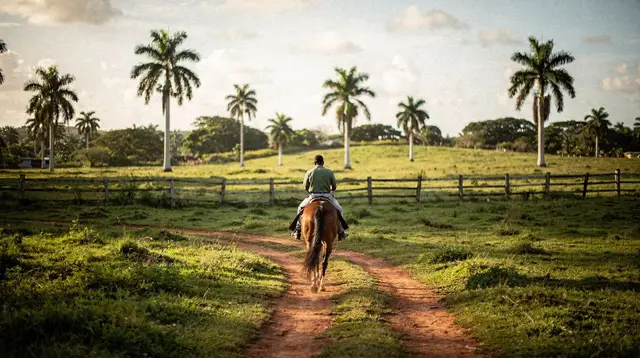
If your itinerary includes a boat day, pairing it with the right gear matters more than the rest of the list combined — for example, a full day on the water with a jet ski and aqua kart rally calls for a dry bag and water shoes rather than a beach tote. A parasailing outing needs almost nothing beyond swimwear, sunscreen and a secured phone pouch, since you leave most belongings on the boat. Land-based days differ again: a buggy and horseback combo tour is far more comfortable in closed shoes and clothes you don’t mind getting dusty, and a countryside safari tour benefits from the same closed-shoe, light-layer approach given the unpaved stops involved.
What you can leave at home
A few things travelers over-pack for Punta Cana:
- Heavy jackets or sweaters — even the rainy season is warm; a light rain shell covers the cooler edge cases
- Formal wear — smart-casual covers nearly every resort and restaurant; true formal dress codes are rare
- Large amounts of cash — USD is widely accepted at tourist businesses and on excursions booked online, though change usually comes back in Dominican pesos; a moderate amount plus a card covers most trips
- Multiple large towels — resorts supply beach towels; bringing your own just uses luggage space
- Snorkel gear — most snorkeling and diving excursions, including trips built around best snorkeling spots, provide equipment as part of the booking
Packing by season, at a glance
| When you’re traveling | Priority additions |
|---|---|
| December-April (dry season) | Standard beachwear, sun protection, light layer for evenings |
| May-November (wetter season) | Add a packable rain jacket, quick-dry fabrics |
| June-November (hurricane season) | Same as above, plus flexible plans; see hurricane season in Punta Cana |
| April-October (variable sargassum) | Consider water shoes; see sargassum season in Punta Cana |
| Mid-January-late March | No special packing changes, but this is the only window whale watching from Samana is possible |
For a broader look at when to go rather than what to bring, see best time to visit Punta Cana, and for a day-by-day sense of how excursions and beach days combine, three days in Punta Cana is a useful reference itinerary.
Packing essentials, questions travelers actually ask
Tours for your first trip to Punta Cana on GetYourGuide
Verified deep-linked GetYourGuide tours. Book through these links and we earn a small commission at no cost to you.
GetYourGuide does not provide a product photo for this activity — the image shows the meeting point, photographed by us.