Three places, one stretch of coast
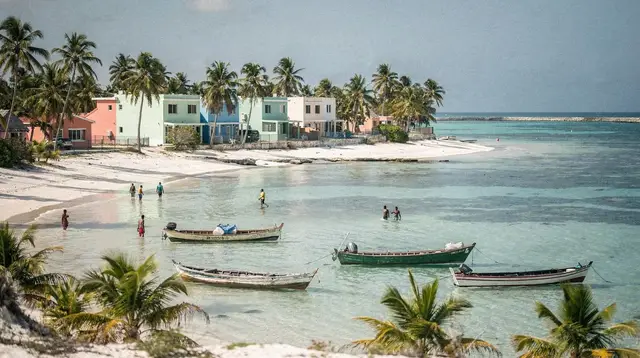
Uvero Alto, Macao and Higüey get grouped together because they sit north and inland of the main Bavaro-Cap Cana hotel strip, but they are not interchangeable. Uvero Alto is a hotel sector, quieter and more isolated than Bavaro. Macao is a public beach that anyone can drive to, known for surf and buggy tours rather than resort loungers. Higüey is a real Dominican town, built around a basilica that draws pilgrims from across the country, with essentially no beach tourism of its own. This page is a map of the differences, not a full write-up of any one of them — for that, the things to do in Uvero Alto, things to do in Macao and things to do in Higüey guides go deeper on each.
The one fact that applies to all three: they are further from Punta Cana International Airport (PUJ) than the hotels around Bavaro and Cap Cana. Most Bavaro/Cap Cana properties are a 15-40 minute drive from PUJ. Uvero Alto runs 40-60 minutes. That extra time matters for arrival day, for booking excursions timed around a flight, and for deciding whether a day trip from a Bavaro hotel up to this area is worth the round-trip drive. See from PUJ airport to your hotel for what that transfer actually looks like.
Uvero Alto: the quieter hotel sector
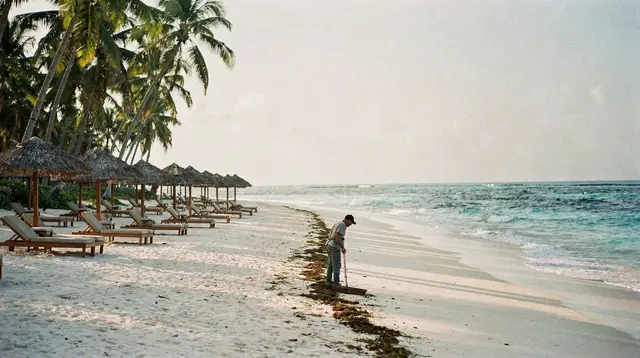
Uvero Alto sits on the coast north of Bavaro, past Macao Beach, and is built almost entirely around large all-inclusive resorts. It has real advantages: wider, less crowded beaches, fewer vendors, and a slower pace than the density of Bavaro. It also has a real cost — that 40-60 minute transfer from PUJ, longer than almost anywhere else on this side of the island, and fewer restaurants and shops within walking distance of most hotels, since the sector was built around self-contained resorts rather than a town center.
If you’re staying in Uvero Alto, day trips south to Bavaro or Cap Cana add real driving time on top of whatever the excursion itself takes, so it’s worth checking transfer times before booking anything based in another sector. The reverse is also true: if you’re staying in Bavaro and curious about Uvero Alto, treat it as a half-day outing, not a quick stop.
Excursions departing from or covering the Uvero Alto sector tend to combine beach time with the jungle and countryside just inland — buggy routes, horseback stretches and river stops feature more here than in the more built-up parts of Bavaro. A representative option is a full day covering Uvero Alto’s beach and the jungle behind it, useful for getting a sense of the sector beyond the resort grounds. For the fuller rundown of what’s bookable here, see Uvero Alto beach and island trips.
Macao Beach: public, and known for surf
Macao Beach is a public beach, which sets it apart from almost everywhere else covered on this site — most of Bavaro and Cap Cana’s beaches sit behind private resort access. Macao draws surfers and bodyboarders for its more consistent swell, plus day-trippers on buggy and ATV tours that stage from lots near the beach. It’s undeveloped compared to the resort coastline: expect sand, palm cover, simple food stalls and tour operators rather than beach clubs or loungers.
Because it’s open to anyone, Macao works well as a stop on a countryside or adventure tour rather than a destination to book on its own. An ATV route through the area around Macao is a common way to combine the beach with the backroads and farmland just behind it. The Macao buggy and ATV tours guide covers the operators and routes in more detail, and things to do in Macao rounds out what else is on offer beyond the tours.
Don’t expect calm, clear swimming water at Macao the way you would at a sheltered resort beach — the surf that makes it popular with boarders also makes it choppier for casual swimming, and sargassum season (roughly April to October, unpredictable year to year) affects this stretch of coast the same as the rest of the east coast.
Higüey: a religious and inland town, not a beach town
Higüey sits well inland from the coast and has no beach tourism of its own — it’s a working Dominican town, and its main draw for visitors is the Basilica of Our Lady of Altagracia, the country’s most important site of Catholic pilgrimage. The basilica’s feast day falls on January 21 and draws large crowds from across the Dominican Republic, well beyond the tourist zone.
Outside the basilica, Higüey is cattle country and cacao-growing territory rather than a resort town, and most excursions built around it pair a basilica visit with a countryside or farm stop rather than treating the town as a full day on its own. A typical combination is a Higüey day that pairs the basilica and local market with a cave, a river stop and lunch. For the mountains and countryside further inland toward Anamuya, options like a countryside safari through the Anamuya mountains with ziplining and horseback riding give a fuller sense of what’s behind the town rather than in it.
If cacao and coffee are the draw rather than the basilica, cacao and coffee farm tours and the broader Dominican countryside safari guide set expectations for what those visits actually cover. For food and rum stops built into a Higüey day, see Higüey food, rum and cigars, and for horseback options specifically, Higüey horseback riding.
Be honest with yourself about interest level here: if religious heritage and rural Dominican life aren’t a draw, Higüey is easy to skip in favor of the coast. If they are, a half-day trip from a Bavaro or Uvero Alto hotel is enough to see the basilica and get a taste of the countryside around it — see Higüey as a day trip from Punta Cana for the logistics.
Getting there and around
| From | To | Typical drive time |
|---|---|---|
| PUJ airport | Uvero Alto hotels | 40-60 minutes |
| PUJ airport | Bavaro/Cap Cana hotels (for comparison) | 15-40 minutes |
| Bavaro | Macao Beach | roughly 20-30 minutes |
| Bavaro | Higüey | roughly 30-45 minutes |
| Uvero Alto | Higüey | roughly 30-40 minutes |
These are road-time estimates, not fixed schedules — actual times vary with traffic and your exact hotel. There’s no rail network in this part of the Dominican Republic; fixed-price taxis and pre-booked private transfers are the norm for getting between these sectors, and driving is on the right. See getting around Punta Cana: taxis, Uber and guaguas for how those options actually compare, and renting a car in the Dominican Republic if self-driving is on the table.
Entry requirements and other practical basics
Travelers from the EU, UK, US, Canada and most of South America don’t need a visa for a tourist stay of up to 30 days, extendable at extra cost when leaving the country. The 10 USD tourist card is bundled into the airfare, so there’s nothing extra to buy at the airport for that. What is required, whichever sector you’re arriving into or leaving from, is the free online e-Ticket form — it has to be filed before both arrival and departure, and a passport valid for the whole length of the stay is expected at immigration. See the Dominican Republic e-Ticket and entry rules for how to file it and what it asks for.
A couple of other basics apply equally in Uvero Alto, Macao and Higüey: power sockets are the US-style 110-120V type A/B, so European visitors need an adapter, and the emergency number nationwide is 911. None of this differs by sector — it’s the same across the whole tourist zone and the towns behind it.
Choosing where to stay on this side of the coast
Uvero Alto isn’t the only option if a quieter stretch of beach matters more than being close to restaurants and nightlife — it’s one point on a spectrum that also includes Bavaro, Cap Cana and the sectors further south. The trade-off is consistent everywhere on this coast: more distance from PUJ and from non-resort dining tends to buy fewer crowds, and vice versa. The Punta Cana vs. Bavaro vs. Cap Cana vs. Uvero Alto guide lays out that comparison directly, and where to stay in Punta Cana covers the decision across the whole tourist zone, not just this northern stretch.
Safety concerns in Uvero Alto, Macao and Higüey don’t differ meaningfully from the rest of the region — resort areas and organized tours carry the same general precautions as anywhere else on this coast. Is Punta Cana safe for tourists covers that question in more general terms if it’s a factor in choosing a sector.
Money and practical notes
Prices for tours, taxis and meals in this area are typically quoted in US dollars or Dominican pesos (DOP, RD$) — never in euros — and dollars are widely accepted for excursions and in tourist-facing businesses, though change usually comes back in pesos. Restaurant bills normally carry an 18% ITBIS tax plus a 10% service charge (“la ley”), on top of whatever’s printed on the menu, so budget for that when pricing a meal in Higüey or near Macao. For the fuller picture on cash and tipping, see money, tipping and taxes in Punta Cana.
Tap water isn’t safe to drink anywhere in this region, including in Higüey — stick to bottled or filtered water. The time zone is Atlantic (UTC-4) year-round, with no daylight saving change, so there’s no clock adjustment to plan around whatever time of year you visit.
When to visit
December through April is the drier, less humid stretch and the area’s high season, which also tends to mean lighter sargassum on Macao Beach — though seaweed presence varies year to year and isn’t guaranteed to be light even in these months. May through November is more humid, and hurricane season runs June through November, with the highest risk from August to October; that’s worth weighing honestly if you’re planning a trip to this area, or anywhere on this coast, in those months. For more on that trade-off, see hurricane season in Punta Cana and sargassum season in Punta Cana.
Uvero Alto, Macao and Higüey: frequently asked questions
Is Uvero Alto part of Punta Cana?
Uvero Alto is part of the broader Punta Cana tourist zone in the loose sense that the term covers, but it’s a distinct hotel sector north of Bavaro, not the same stretch of coast. It’s further from the airport — 40-60 minutes compared with 15-40 minutes for most Bavaro and Cap Cana hotels — and has fewer restaurants and shops outside the resorts themselves.
Can anyone visit Macao Beach, or is it hotel-only?
Macao Beach is public and open to anyone, unlike most of the beaches fronting Bavaro and Cap Cana resorts, which sit behind private hotel access. It’s best known for surf, buggy and ATV tours rather than calm swimming or beach-club amenities.
Is Higüey worth visiting if I’m not religious?
The Basilica of Our Lady of Altagracia is Higüey’s main draw and a genuine piece of Dominican heritage regardless of personal faith, but the town has little else geared toward tourism. Most visitors pair it with a countryside, cacao or cave stop rather than spending a full day in Higüey itself.
How much longer is the airport transfer to Uvero Alto?
Expect 40-60 minutes from PUJ to most Uvero Alto hotels, against 15-40 minutes for most hotels around Bavaro and Cap Cana. It’s a real difference worth factoring into arrival-day planning and any tour timed close to a flight.
Does Macao Beach have sargassum problems?
Like the rest of the east coast, Macao can see sargassum seaweed wash up, mainly between April and October, and the amount varies unpredictably from year to year. It’s not guaranteed at any specific visit, but it’s not something a booking can promise away either.
What’s the best way to combine Higüey with a beach day?
Most operators pair a half-day at the basilica, market and countryside around Higüey with a beach stop at Macao or a return to your Bavaro or Uvero Alto hotel, rather than treating Higüey as a full-day destination. Check the specific itinerary before booking to see how much time is allotted to each part.
Is it worth staying in Uvero Alto instead of Bavaro?
It depends on priorities: Uvero Alto trades a longer airport transfer and fewer nearby restaurants for quieter, less crowded beaches. If a slower pace matters more than convenience on arrival day, it’s a reasonable trade; if minimizing transfer time matters more, Bavaro or Cap Cana are the shorter drive from PUJ.
Do I need a car to see Uvero Alto, Macao and Higüey?
Most visitors get around by fixed-price taxi, pre-booked private transfer, or a guided tour that already includes transport, rather than renting a car. Self-driving is possible and some visitors prefer it, but it’s not necessary to see any of these three places.