Higüey food, rum and cigar tastings: what the tours actually cover
What is a Higüey food, rum and cigar tour like?
It is a half-day visit to a working cacao or coffee farm plus a small workshop near Higüey, with guided tastings of chocolate, coffee, rum and mamajuana, and often a hand-rolled cigar demonstration. It is a tasting and craft-focused outing, not a beach day or a horseback ride, and prices vary by operator, so check the current rate on the booking page before you commit.
Why Higüey shows up on a food and drink itinerary
Higüey is not a resort town. It has no beach, no marina, and none of the front-of-hotel infrastructure you’d find in Bávaro or Cap Cana. What it has instead is a working economy of cattle ranches, cacao groves and small-scale rum and tobacco production, plus its role as the religious capital of this region as the seat of the Basilica of Our Lady of Altagracia. Tour operators built a specific product around the second half of that description: a half-day visit to a farm or workshop where a guide walks you through how cacao becomes chocolate, how sugarcane becomes rum, and how tobacco leaves become a hand-rolled cigar, with tastings at each stage.
That is a genuinely different outing from a beach day, and this page treats it that way. If you came here expecting sand, things to do in Higüey will tell you plainly there isn’t any nearby worth the drive — the closest beaches are back toward Macao or Uvero Alto, roughly 30 to 50 minutes away depending on your hotel.
What a typical tasting tour includes
Formats vary by operator, but most Higüey food, rum and cigar tours follow a similar shape:
| Stage | What happens | Typical duration |
|---|---|---|
| Hotel pickup | Shared or private transfer from Punta Cana/Bávaro hotels | 30–50 minutes |
| Cacao or coffee farm | Guided walk through the grove, explanation of processing, chocolate or coffee tasting | 45–60 minutes |
| Rum and mamajuana tasting | Small workshop or shop stop, sampling local rum and mamajuana (a rum, wine and honey infusion with tree bark and herbs) | 20–30 minutes |
| Cigar rolling demonstration | A roller shows the leaf-to-cigar process, sometimes with a hands-on attempt | 15–20 minutes |
| Optional market or cultural stop | Local market browsing, sometimes a brief basilica photo stop | 20–30 minutes |
| Lunch (on some tours) | Dominican-style meal, often included on the longer “safari” or “cultural” formats | 45–60 minutes |
| Return transfer | Back to your hotel | 30–50 minutes |
The whole loop generally runs 4 to 6 hours door to door. A handful of operators fold in a countryside drive through cattle ranches on the way, which is where the “safari” naming comes from on some listings — that part is scenery and photo stops, not a separate activity.
What this tour is not
Three confusions come up often enough to flag directly.
It is not a beach day. Higüey itself is inland with no coastline. If a listing pairs a Higüey tasting stop with a beach visit, that beach segment happens elsewhere — usually Macao Beach — as a separate leg of a longer excursion, not something you’ll find in town.
It is not the horseback riding tour. Higüey horseback riding is a different product built around a countryside ride, sometimes continuing to a beach swim at Macao. It shares the same starting region and occasionally the same ranch, but the activity, pacing and audience are different: one is a physical, outdoor ride; this one is a slower, seated tasting circuit. Some operators run both from the same property, so read the tour description carefully rather than assuming a “Higüey tour” title means either one specifically.
It is not a deep dive into the basilica. The Basilica of Our Lady of Altagracia is Higüey’s most significant landmark and the destination of the country’s largest annual pilgrimage on January 21, but a food-and-drink tour typically gives it a brief photo stop at most, if it stops there at all. If the basilica itself is your main interest, look for Higüey cultural and countryside tours instead, and treat a tasting-focused booking as exactly that.
Cacao and coffee: what you’re actually tasting
The Dominican Republic is a significant cacao exporter, and the farms around Higüey and the wider Uvero Alto–Higüey area supply both export and local chocolate production. A typical stop walks you through the cacao pod — cracking one open, tasting the white pulp around the beans (which tastes nothing like chocolate, closer to a tart fruit), then seeing fermented and dried beans before a demonstration of roasting and grinding into paste. Most tours finish with a warm drinking chocolate or a few pieces of dark chocolate to taste, sometimes flavored with local spices or coffee.
Coffee stops follow a similar pattern with a smaller footprint, since coffee is a secondary crop in this specific area compared to cacao. Expect a short walk through coffee plants, a look at drying beans, and a cup at the end. For a broader look at how these fit into the country’s food culture generally, the Dominican food guide covers where cacao and coffee sit alongside other staples.
Rum and mamajuana: the tasting flight
Rum tastings on these tours are usually informal — a few small pours of different ages or styles, sometimes paired with the mamajuana that’s become a fixture on tourist-facing tastings across the region. Mamajuana is a rum, red wine and honey infusion steeped with a mix of tree bark, roots and herbs; recipes vary by household, and the version poured on a tour stop is typically a standard commercial blend rather than anyone’s family recipe. It’s often sold by the bottle at the end of the tasting, alongside straight rum. For more on what’s genuinely worth buying versus what’s aimed squarely at tourists, see rum and cigars explained.
Prices for a bottle to take home vary by size and where you buy it — a farm shop, a Higüey market stall and a hotel gift shop can all charge different amounts for what looks like the same bottle. Buy after tasting, not before, and don’t assume the first price quoted is fixed; a little negotiation at market stalls is normal, though farm and workshop shops usually run fixed pricing.
Cigars: rolling, not just smoking
Tobacco has a long history in this region, and a cigar demonstration on these tours usually means watching a roller work through the stages — selecting leaves, forming the filler, wrapping the binder and outer leaf — with an explanation of aging and fermentation along the way. Some tours let you try rolling one yourself with guidance, though the result rarely matches what the professional produces next to you. A finished cigar or two is often included in the tasting price, with more available to buy.
If cigars are a serious interest rather than a curiosity, treat this stop as an introduction rather than a specialist visit — it’s built for a general audience on a half-day circuit, not for connoisseurs comparing regional tobacco.
Getting to Higüey from your hotel zone
How long the transfer takes depends heavily on where you’re staying, and it’s worth knowing before you commit to an early pickup time. From the main hotel zone covering Punta Cana, Bávaro and Cap Cana, the drive tends to run on the shorter end of the 30-to-50-minute range mentioned above, since that zone sits closest to Higüey along the main road inland. From the newer hotel strip further north — the Uvero Alto and Higüey region, which confusingly shares a name with the town itself even though it also covers Macao and Uvero Alto’s beachfront resorts — pickups can run closer to an hour, since several properties sit well up the coast from Higüey.
Operators build this into the schedule on both sides of the zone: a longer transfer generally means a slightly earlier pickup time, not a rushed visit once the tour actually starts. If you’re comparing this tasting tour against other Higüey-based options from your specific hotel, Higüey day trip from Punta Cana goes into more detail on transfer logistics, and things to do in Higüey covers the town beyond tasting tours specifically.
Best time of year to book
These tours run year-round, and the core activity — a farm walk, a covered workshop, a tasting table — is mostly shaded or indoors, so it isn’t especially weather-dependent compared to a beach or water-sports day. The Dominican Republic stays warm throughout the year, generally 26 to 31°C, with a drier, less humid stretch from December through April and a more humid one from May through November.
That wetter half of the calendar overlaps with hurricane season, which runs June through November with the highest risk concentrated in August, September and October. A tasting tour like this one is a reasonable option to keep in reserve for a rainy or uncertain-weather day precisely because most of it happens under cover, though operators can still cancel or reschedule around genuinely severe conditions. For a broader look at how the seasons compare across the region, see best time to visit Punta Cana and hurricane season in Punta Cana.
Money, tipping and taxes on this tour
Booking prices are quoted in USD on GetYourGuide and Viator, but once you’re standing at a farm shop or a market stall in Higüey buying a bottle of rum, a bag of coffee or a finished cigar, expect pesos (DOP) and USD to both be accepted, with change generally handed back in pesos.
If your specific tour includes a sit-down lunch — the half-day cultural safari format does — keep in mind that Dominican restaurant bills normally carry an 18% ITBIS tax plus a 10% service charge, sometimes listed as “ley”; on a tour where lunch is already part of the package price, this is usually built in rather than added at the table, but it’s worth a quick check with the operator rather than assuming. Guides and drivers on these tours are typically tipped in cash at the end of the day, in small denominations. For the fuller picture on currency, change and tipping norms across the region, see money, tipping and taxes in Punta Cana.
Prices, timing and how to book
Prices for Higüey food, rum and cigar tours are quoted in USD by most operators, sometimes with a private option costing more than a shared group tour. Because pricing depends on group size, season and what’s included (lunch, transport, private guide versus shared van), any number written here would go stale fast — check the current rate on the booking page for the tour you’re considering. A private, guided version with tastings runs as one option:
a private Higüey tour with a guide leading cacao, rum and tasting stopsFor a version that adds the basilica, local market and a coffee tasting into one cultural loop:
a Higüey cultural tour combining the basilica, market browsing and a mamajuana and coffee tastingIf you’d rather have lunch built into a half-day format:
a half-day cultural safari to Higüey that includes a Dominican lunchAnd for a tour built specifically around the cacao and coffee side without the wider cultural stops:
a coffee and cocoa discovery tasting tour departing from the Punta Cana areaMost listings depart with hotel pickup between 7:30am and 9am, since the farms and workshops keep daytime hours and the transfer alone eats up an hour or more each way for hotels further from Higüey, such as those in Uvero Alto.
Who this tour suits, and who should skip it
This works well for travelers who want a slower, tasting-focused half day away from the beach, especially if you already did a beach or water activity earlier in the trip and want variety. It also suits anyone building a Higüey day trip from Punta Cana around food and craft rather than adventure sports.
It’s a weaker fit if you’ve already booked a broader countryside excursion that includes a cacao stop — check the countryside safari description before doubling up — or if what you actually want is horseback riding or a beach swim, in which case the Higüey horseback riding tour is the better match. Shoppers hunting for larimar and amber should note that Higüey’s farm shops sell food and drink items, not jewelry — that’s a separate stop entirely.
For travelers who prefer to skip group logistics altogether, a private tour built around these same stops is usually bookable through the same operators listed above, just at a higher per-person price for a smaller or exclusive group.
Practical notes before you book
- Bring cash in small denominations (USD or pesos) for tips and any extra purchases at farm shops or the market; card payment is inconsistent outside hotel zones.
- Wear closed shoes for the farm walk — the ground is uneven and sometimes muddy near cacao groves, unrelated to the horseback riding tour’s mud but present on foot too.
- Check the alcohol policy if traveling with children; most tours welcome kids for the cacao and coffee segments but expect adults for the rum tasting.
- Confirm what’s included in writing before booking — lunch, cigar take-home, bottle purchases and basilica stops vary tour to tour even among similarly named listings.
- Don’t expect a beach add-on unless the listing says so explicitly; if a swim matters to your day, look at combined Higüey to Macao Beach tours instead, which are built around the ride, not the tasting circuit.
Read the current tour description on GetYourGuide or Viator for exact inclusions, meeting points and the day’s price before booking — details shift between seasons and operators more often than a static guide page can track.
Punta Cana food tours and tastings on GetYourGuide
Verified deep-linked GetYourGuide tours. Book through these links and we earn a small commission at no cost to you.
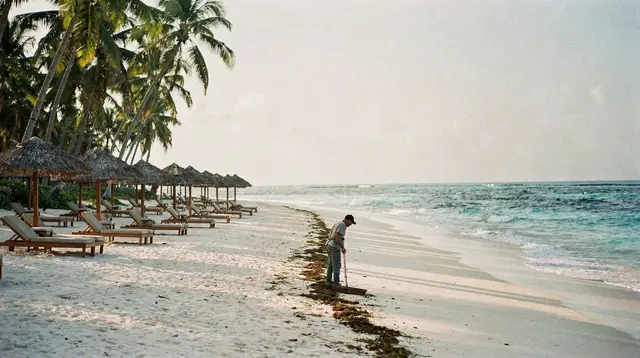
GetYourGuide does not provide a product photo for this activity — the image shows the meeting point, photographed by us.