Catalina Island snorkeling and diving trips from Punta Cana
What is a Catalina Island snorkeling trip from Punta Cana?
It's a boat excursion to Isla Catalina, off La Romana, built around snorkeling or scuba diving on a reef wall rather than a beach day. Boats leave from near La Romana or Bayahibe, and most Punta Cana hotel guests face a multi-hour road transfer before boarding — check the exact route on your booking.
Isla Catalina sits a short boat ride off La Romana, inside the same Parque Nacional Cotubanama that protects Isla Saona further east. The two islands get bundled together in a lot of marketing copy, but they answer different questions. Saona is a beach-and-sandbar day out. Catalina is about what’s under the water: a reef wall that draws snorkelers and certified divers rather than sunbathers. If you’re choosing between them, this page is written for the person who wants the reef, not the sand.
What makes Catalina different from Saona
Both islands are uninhabited, both are protected inside Cotubanama (the national park formerly known as del Este), and both can appear on the same operator’s booking page. That’s where the similarity ends. Saona trips center on a wide, shallow sandbar — the so-called “natural pool” — plus a long beach for the afternoon. Catalina trips center on a reef wall that drops along the island’s southern edge, with the boat anchoring specifically so passengers can get in the water and look down, not spread out on sand.
Practically, this changes what you should pack and expect. A Saona day rewards a book, a hat and low expectations of the water itself. A Catalina day rewards a mask that actually fits, a rash guard, and a willingness to spend most of the excursion swimming rather than lying down. If you read a tour description promising both a long beach afternoon and serious reef time, check carefully — the two experiences don’t fully overlap, and a trip that tries to do both usually shortens one of them.
Getting there from a Punta Cana hotel
This is the detail most itineraries gloss over. Catalina departures are organized around the La Romana and Bayahibe coast, not around Punta Cana’s own marinas. If you’re staying in Bavaro, Cap Cana, Uvero Alto or Macao, your day starts with a road transfer well before you see a boat — comparable to the transfer time quoted for Saona trips departing from Bayahibe. Add the boat crossing to Catalina on top of that, and a “day trip” from a Punta Cana hotel is a full day, not a half-day add-on.
None of this means the trip isn’t worth it — divers and serious snorkelers generally rate Catalina’s reef above what’s accessible directly off the Punta Cana coastline. It does mean you should book it as a full-day commitment, confirm your specific pickup and return times with the operator, and not schedule anything else for that day.
a snorkeling day trip to Catalina Island’s reef wall lays out the current pickup zones and timing for hotels across the Punta Cana area — check it against your own hotel’s location before booking.
Snorkeling vs. diving at Catalina
| Snorkeling | Scuba diving | |
|---|---|---|
| Certification needed | None | PADI/SSI certification for standard dives; some operators offer an introductory dive with an instructor |
| Typical gear | Mask, snorkel, fins, life vest (usually included) | Full scuba kit, provided by dive operators |
| What you see | Surface views of the reef wall, coral shapes, fish activity | Closer views of coral structure, sponges, and reef fish along the wall’s depth |
| Who it suits | Comfortable swimmers, families with older kids, first-timers | Certified divers, or beginners doing a supervised introductory dive |
Most day trips sold to Punta Cana hotel guests are snorkel-only. Diving is usually a separate product, sometimes run by dedicated dive operators out of Bayahibe rather than the general excursion boats. If diving is the priority, look specifically for a tour that names diving in its title rather than assuming a general “Catalina Island” listing includes it.
a full-day snorkeling itinerary at Catalina is a useful comparison point if you want more time in the water than a half-day format allows — check the listed duration and stops before booking, since exact timing varies by departure date.
What the reef wall is actually like
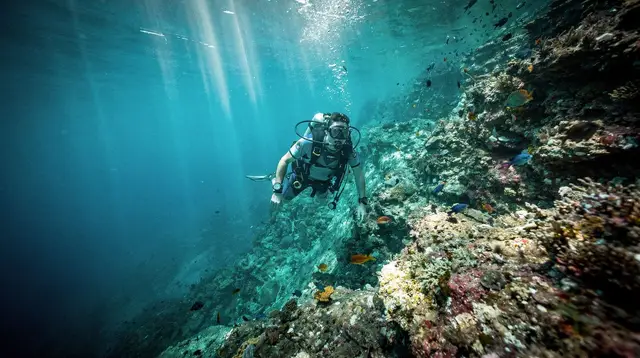
Isla Catalina’s reputation comes from a coral wall along its southern shore, sometimes referred to informally by names like the “wall” or “aquarium” in operator materials. Expect a mix of hard and soft coral formations, sponges, and the reef fish typical of this part of the Caribbean — parrotfish, sergeant majors, the occasional ray on a good day. This isn’t a manufactured attraction; conditions shift with the weather, so a windy day can mean choppier water and reduced visibility, same as anywhere else on this coast. Don’t take a specific visibility figure from a listing as a promise — it’s a description of a good day, not every day.
Boats generally anchor at a fixed point rather than moving snorkelers along the full length of the wall, so the amount of reef you actually cover depends on your own swimming and how the crew organizes the stop. If you want more ground covered, a smaller group or a diving-focused operator will usually get you further than a large multi-boat snorkel excursion.
Choosing between the excursion formats
| Format | What it’s good for | Trade-off |
|---|---|---|
| Standard group snorkel boat | Budget-conscious travelers, first snorkel experience | Larger groups, fixed schedule, less flexibility on time in the water |
| Full-day snorkeling trip | Travelers who want maximum time on the reef | Longer day overall once the road transfer is added |
| Private or small-group tour | Divers, photographers, anyone wanting a paced experience | Higher price than a standard shared boat |
| Bayahibe-based reef and snorkel combos | Travelers staying closer to La Romana/Bayahibe, or wanting variety | Not always available with hotel pickup from Punta Cana proper |
A private reef and cenote snorkeling combination out of Bayahibe is worth comparing if you’d rather split your time between the ocean reef and a freshwater cenote stop instead of a full day at sea — a genuinely different itinerary from a straight Catalina crossing.
a Los Melones reef snorkeling trip departing from Bayahibe is a nearby alternative worth checking if your Catalina date is unavailable or if you’d rather shorten the road transfer by choosing a departure closer to Bayahibe itself.
What to bring
- Reef-safe sunscreen — reapply after each swim stop, since most is rinsed off in the water
- A rash guard or light cover-up for sun protection between swims
- Your own snorkel mask if you have one and want a reliable fit; most operators include rental gear, but fit varies
- Water shoes for boat decks and sandbar sections
- A dry bag for phones, cash and cards
- Motion-sickness medication if you’re prone to it — the crossing can be choppy depending on conditions
- Cash in pesos or US dollars for tips and any drinks not included in your package
Money and timing, honestly
Prices for Catalina trips vary by operator, group size and whether diving is included, so treat any number you see quoted elsewhere as a starting point rather than a fixed figure — check the current price and inclusions on your booking platform before paying. The same applies to duration: “full day” and “half day” mean different things across operators, and the road transfer time from your specific hotel isn’t always folded into the headline duration shown in a listing. Read the itinerary’s pickup and return times rather than the marketing summary.
a full-day snorkeling tour with multiple stops around Catalina spells out its inclusions and timing in more detail than a shorter listing typically does — useful if you want to know exactly what’s covered before you commit a full day to it.
Catalina, Saona, and which one to book
If you’re trying to decide between the two islands rather than doing both, the honest answer depends on what you want from the day. Want a beach afternoon, a sandbar, and a relaxed pace with some swimming mixed in? That’s Saona. Want a reef wall, real snorkeling or diving time, and less lounging on sand? That’s Catalina. Both involve a similar road transfer toward the La Romana and Bayahibe coast before boarding, so neither is meaningfully faster to reach than the other from a Punta Cana hotel — the difference is what happens once you’re on the water, not how long it takes to get there.
Some travelers on a longer stay do both on separate days rather than trying to combine them, since a single day rarely does justice to both a full beach experience and serious reef time.
Catalina Island excursions: frequently asked questions
Is Catalina Island the same as Saona Island?
No. Both sit inside Parque Nacional Cotubanama and both can be booked from the same stretch of coast, but Saona is a beach-and-sandbar day out, while Catalina is built around the reef wall for snorkeling and scuba diving. Tour operators sell them as separate excursions.
How long is the transfer from a Punta Cana hotel to the Catalina boat?
Expect a road transfer of well over an hour from most Bavaro and Cap Cana hotels to the La Romana or Bayahibe area before you even board, since Catalina departures are organized around that coast, not around Punta Cana’s own marinas. Your operator’s itinerary states the exact pickup and departure times.
Do I need to know how to scuba dive to visit Catalina?
No. Most Catalina trips are sold as snorkeling excursions that need no certification, with mask, snorkel and fins provided or included. Separate scuba options exist for certified divers or as an introductory dive with an instructor, and these are booked and priced differently from the snorkel-only trips.
What will I actually see snorkeling at Catalina?
The main draw is the reef wall along the island’s south side, with coral formations, sponges and reef fish in clearer water than is typical along the Punta Cana shoreline. Visibility varies with weather and season, so treat any specific number quoted online as a rough guide rather than a guarantee.
Is Catalina Island good for beginners or non-swimmers?
Snorkeling trips generally include a life vest and shallow entry points suited to comfortable swimmers, but the appeal of Catalina is the reef itself, which rewards confident swimmers more than a beach day would. If you mainly want sand and a sandbar with less time in open water, Saona is the better fit.
Can I combine Catalina with a beach stop or Saona in the same day?
Some operators pair a Catalina snorkeling stop with a beach or sandbar segment on the same route, while others run Catalina and Saona as entirely separate full-day products. Check the specific itinerary on GetYourGuide or Viator before booking if you want both in one trip.
What should I pack for a Catalina snorkeling trip?
Reef-safe sunscreen, a rash guard or cover-up, a dry bag for your phone, water shoes for the boat and sandbar sections, and cash in pesos or dollars for drinks or tips. Bring your own mask if you prefer a proper fit, though most tours include rental gear.
Is the water always clear enough for good snorkeling at Catalina?
Conditions vary with wind, swell and season, and a windy or rainy day can reduce visibility along the reef wall like anywhere else in the Caribbean. Operators rarely cancel for average conditions, but if visibility matters to you, ask your hotel tour desk or the booking platform about recent reports before committing to a date.
Related reading: check the Isla Saona excursions guide if you’re still deciding between the two islands, the Bayahibe scuba diving guide for certified-diver options closer to the departure point, and Punta Cana scuba diving for sites nearer your hotel if a full day toward La Romana doesn’t fit your schedule. For general snorkeling options along this coast, see best snorkeling spots near Punta Cana, and if you’re not yet certified but curious, learning to dive in Punta Cana covers what that involves.
If you’re weighing this excursion against other options from the same stretch of coast, the things to do in Catalina Island and things to do in Bayahibe hub pages list the full range of tours departing from this area, and things to do in La Romana covers the town itself if you want to add a stop there. For planning the transfer, see Punta Cana to Santo Domingo: how to get there for a sense of road-transfer times on this side of the country, and the Saona vs. Catalina: which island comparison if you’re still undecided.
The Bayahibe day trip from Punta Cana guide covers the departure town in more depth, and the La Romana day trip from Punta Cana guide is useful if you’re combining Catalina with a look at the town. Divers planning a longer stay may also want Bayahibe scuba diving and the best day trips from Punta Cana overview for how this fits alongside other excursions from the south coast.
Saona and Catalina island boat trips on GetYourGuide
Verified deep-linked GetYourGuide tours. Book through these links and we earn a small commission at no cost to you.
GetYourGuide does not provide a product photo for this activity — the image shows the meeting point, photographed by us.