Scuba diving in Punta Cana and Bavaro
Is scuba diving in Punta Cana worth it?
Punta Cana and Bavaro offer convenient shore-based reef and wreck dives and beginner pool or ocean try-dives, all within a short boat ride of the hotel zone. The visibility and reef quality are not comparable to Isla Catalina near La Romana, which is a separate excursion further south, so treat Punta Cana diving as practical and easy rather than a bucket-list dive destination.
What diving from Punta Cana actually looks like
Scuba diving based out of Punta Cana and Bavaro means a short boat ride from the coast to nearby reef and wreck sites, not a long transfer or a multi-region trip. That is the main appeal for a reader staying at a Bavaro or Punta Cana resort: you can fit a dive into a half-day without giving up the rest of your stay. It is a different activity from the shore-based water sports offered directly off resort beaches, and it has nothing to do with horseback riding or the cultural countryside tours sold in the same destination — this page stays under the water.
Most operators pick divers up from a marina near Bavaro or Cap Cana, or from a hotel pickup point, and run out to sites within 15-30 minutes by boat. Sites include coral reef sections, drop-offs in the 10-20 meter range, and in some cases small wrecks or artificial structures placed to build up marine life near the coast. None of this is the open-ocean, deep-wall diving associated with more serious dive destinations in the region — it is closer, easier, and shorter.
For readers arriving specifically for a dive trip, the logistics are simple: Punta Cana International Airport (PUJ) is 15-40 minutes by road from most hotels in Bavaro and Cap Cana, which is why a half-day dive slots in easily around a flight day. See the airport-to-hotel guide and the airport transfer options if you are still arranging pickup. Divers landing at Saint-Domingue’s Las Americas airport instead are looking at a different region entirely, closer to the Santo Domingo and south coast excursions than to the Bavaro dive marinas.
Be honest about what this is not
This is the point a lot of resort dive brochures skip: Punta Cana is not Isla Catalina. Catalina, off the coast near La Romana, is known specifically for its wall dive, for visibility that regularly beats the Punta Cana coast, and for a reef that has been protected as a dive site for decades. Getting there means a boat trip that starts in Bayahibe, not Punta Cana, and it is covered as its own trip on the Isla Catalina snorkeling and diving guide rather than here.
If a diver is planning a trip specifically for the dive quality — wall diving, exceptional visibility, a serious reef system — Catalina is the better target, and it deserves its own day, not a stop tacked onto a Punta Cana itinerary. If diving is one activity among several during a Punta Cana stay and convenience matters more than having the single best dive in the country, staying local makes sense. Neither choice is wrong; they answer different questions, and no operator selling a Punta Cana dive package will volunteer that the better reef is two hours south by road plus a boat ride from Bayahibe.
Try-dives for beginners
Most people diving out of Punta Cana for the first time are not certified. Operators run introductory or “discover scuba” sessions that start with a briefing on land, move to shallow water or a pool to practice basic skills (clearing a mask, breathing underwater, equalizing ears), and then head out on a short guided dive, typically in the 5-12 meter range. An instructor stays within arm’s reach the entire time.
These sessions run 20-40 minutes of actual underwater time after training, and they are built for people who have never dived before and want to try it without committing to a certification course. No swimming test or medical form beyond basic health questions is usually required, though anyone with heart, lung, or ear conditions, or who is pregnant, should confirm with the operator before booking.
Certified diving and multi-tank trips
Certified divers can generally book straight two-tank boat trips without the pool session, heading to slightly deeper sites (commonly down to 18-20 meters, depending on the operator’s site list and the diver’s certification level). Bring or rent equipment; most operators include tanks, weights, and a basic BCD and regulator set in the price, with mask and fins sometimes extra.
If you want to go from zero to certified during a Punta Cana stay, ask specifically about open water certification courses, which typically run over 2-3 days and combine classroom or e-learning, pool sessions, and open water dives. Not every operator listed for short excursions offers full certification, so confirm this before booking if that is your goal.
What you will and will not see
Sightings on a Punta Cana dive are typically coral formations, sponges, small to medium reef fish, occasional rays, and sometimes small wreck structures. Sea turtles and larger pelagic fish are possible but not something any honest operator should promise on a given day — marine life sightings vary and cannot be guaranteed. This is a reasonable, workable reef, not a marine park with reliably dramatic wildlife.
Do not expect the encounter-style marine life experiences sold separately in the area, such as dolphin encounters, which use controlled facilities rather than open-water sightings, or shark-focused trips, which some operators run as a distinct product rather than a standard reef dive.
Diving versus other water activities
Scuba diving is only one way to see what is under the water off Punta Cana, and it is not always the right one for a given traveler. Snorkeling covers many of the same shallow reef sections without the training or the tank, and the best snorkeling spots near Punta Cana guide lays out where that works best. A party or snorkel catamaran trip adds swimming stops to a boat outing built around the ride itself rather than the dive. If none of that appeals and you just want to be on or near the water without gear, the general water sports options off the resort beaches — kayaks, paddleboards, banana boats — cover that without booking an excursion at all. Choosing between these usually comes down to whether the point of the day is the dive itself or simply time in the water.
Best time of year to dive near Punta Cana
Water temperature stays warm year-round, but sea conditions and boat schedules do shift with the seasons. The drier, less humid stretch from December to April is generally the calmer window for boat-based dives, and it is also the region’s high season, so book ahead. The wetter season runs May to November, overlapping with hurricane season from June to November, with the highest storm risk from August to October — rough seas during this stretch can shorten or cancel boat dives on short notice, so confirm the operator’s rescheduling policy before you commit to a specific day. None of this affects whale sightings, since those only happen far north in the Samana bay from roughly mid-January to late March and are not part of a Punta Cana dive itinerary. For a broader read on when to visit for the whole trip, not just diving, see the best time to visit Punta Cana guide.
Diving from Uvero Alto and Higuey
Divers based further north in Uvero Alto or Macao face a real transfer before they even reach the boat: figure 40-60 minutes by road down to the marinas near Bavaro and Cap Cana, on top of the 15-30 minute boat ride to the site itself. That is worth planning around rather than discovering on the morning of the trip — some hotels in this northern sector do not get the same early pickup slots as Bavaro properties. If a full dive day feels like too much travel from this part of the coast, the things to do in Uvero Alto guide and the inland Higuey day trip options cover alternatives that do not require the trip south to the dive marinas.
What to bring and what it costs
Pack light: a swimsuit, a towel, reef-safe sunscreen if you have it, and any prescription medication. Bring cash in either US dollars or Dominican pesos for tips — boat crews and dive guides on these excursions are usually tipped separately from the tour price, the same as other private excursions in the area, and change on land comes back in pesos even if you pay in dollars. The general packing guide and the money, tipping, and taxes guide cover this in more detail if you are still assembling your trip list. As with any excursion here, treat a quoted price as a starting point, not a final number, until you see the specific listing with transfers and equipment spelled out.
Comparing your options
| Option | Best for | Depth range | Typical duration |
|---|---|---|---|
| Try-dive / discover scuba | First-time divers, no certification | 5-12 m | Half day (training + one dive) |
| Certified single-tank dive | Certified divers wanting a quick dive | Up to ~18 m | 2-3 hours including boat time |
| Certified two-tank trip | Certified divers wanting more bottom time | Up to ~20 m | Half day |
| Open water certification course | Divers who want to leave certified | Progressive to ~18 m | 2-3 days |
| Isla Catalina wall dive (separate trip) | Divers who want the best reef in the region | Wall dive, deeper | Full day, departs from Bayahibe |
Prices are not fixed and depend on the operator, number of tanks, equipment rental, and whether hotel transfer is included. Check the current listing on GetYourGuide or Viator for the exact price and what is included on the day you book, rather than relying on a number quoted here.
Booking practicalities
Confirm pickup location and time the night before — some operators pick up directly from the hotel lobby in Bavaro or Cap Cana, others require you to meet at a marina. Bring a swimsuit, towel, sunscreen (reef-safe if you have it), and any prescription medication you might need; equipment is normally provided. If you wear glasses and need to see underwater, ask in advance about prescription masks, since not every operator carries them.
Because Punta Cana sits in an area affected by seasonal weather, confirm the operator’s cancellation and rescheduling policy, particularly if you are booking during the wetter months from May to November or during hurricane season, which runs June to November with the highest risk from August to October. Rough seas can cancel or shorten boat-based dive trips with little notice.
Book a Scubadoo diving trip near Punta Cana if you want a straightforward reef outing close to the hotel zone. For something more specialized, a Punta Cana shark diving experience targets a specific encounter rather than a general reef dive, and a Scuba-Doo underwater scooter outing is a lower-effort alternative for people who want to see the reef without a full try-dive course. If you would rather have transport handled for you, a Scuba-Doo package with round-trip transfer covers pickup from most hotels in the Punta Cana-Bavaro area.
Divers based further north in Uvero Alto or Macao should factor in a longer transfer to reach the dive marinas near Bavaro and Cap Cana, on top of the boat ride to the site itself — ask the operator whether pickup from your specific hotel is included before booking.
Scuba diving near Punta Cana: FAQ
Do I need certification to dive in Punta Cana?
No. Most operators in Bavaro and Punta Cana run introductory try-dives (sometimes called Discover Scuba) that start with pool or shallow-water training and include a short guided ocean dive, usually no deeper than 12 meters. No prior experience is required.
How deep and how long are beginner dives?
Introductory dives typically stay in the 5-12 meter range and last 20-40 minutes underwater, after 20-30 minutes of briefing and skills practice. Certified divers can go deeper and longer depending on the operator and site.
Is Punta Cana diving as good as Isla Catalina?
No. Isla Catalina, off La Romana, is known specifically for its wall dive, visibility, and reef health, and it is a different region covered on its own excursion page. Punta Cana and Bavaro dive sites are close and convenient but generally shallower and less dramatic.
What will I actually see on a Punta Cana dive?
Typical sightings include coral formations, sponges, small reef fish, occasional rays, and sometimes small wrecks or artificial reef structures placed near the coast. Sightings vary by day and site, and operators cannot guarantee specific marine life.
Can non-divers in my group come along?
Most boat-based diving trips also welcome snorkelers on the same boat, since the sites are shallow enough for both. Ask the operator when booking if your group includes non-divers.
Is the water warm enough to skip a wetsuit?
Water temperature in the Punta Cana area typically runs 26-29 degrees Celsius depending on the season, and many operators dive in shorts and a rash guard or a thin shorty wetsuit rather than a full suit.
How much does a try-dive or certified dive cost?
Prices vary by operator, number of tanks, and whether transfers are included. Check the current listing on GetYourGuide or Viator for the exact price and inclusions on the day you book.
Scuba diving in Punta Cana on GetYourGuide
Verified deep-linked GetYourGuide tours. Book through these links and we earn a small commission at no cost to you.
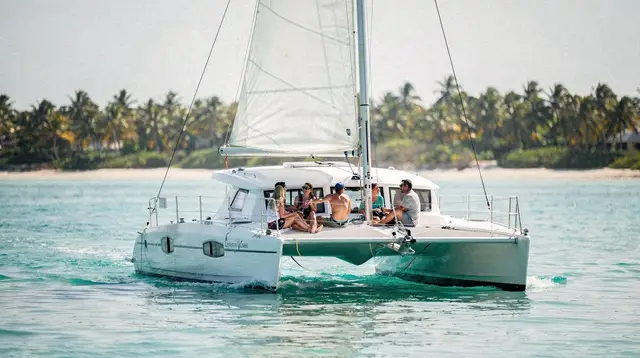
GetYourGuide does not provide a product photo for this activity — the image shows the meeting point, photographed by us.